
 English
 Polski
 Deutsch
 Nederlands


Hotel Cleanliness? Here’s How to Make It Expensive and Inefficient
High hotel cleaning costs often stem from decisions made as early as the investment and design phase. Although these decisions may seem unrelated to hygiene, they have a significant impact on operational expenses later on.
1. Interior design that complicates cleaning
Choosing complex arrangements with numerous corners, recesses, and varied finishing materials increases cleaning time and requires multiple cleaning agents.
2. Hard-to-maintain materials
Using materials that demand specialized care, such as oiled wood or black marble, adds to both cleaning time and costs.
3. Colors that highlight dirt
Opting for light-colored floors and dark walls makes even minor stains more visible, leading to more frequent cleaning.
4. Lack of ergonomic room layout
A poorly planned layout, missing utility rooms, or badly placed water access points makes the cleaning team’s job much more difficult.
5. Inadequate equipment and supplies
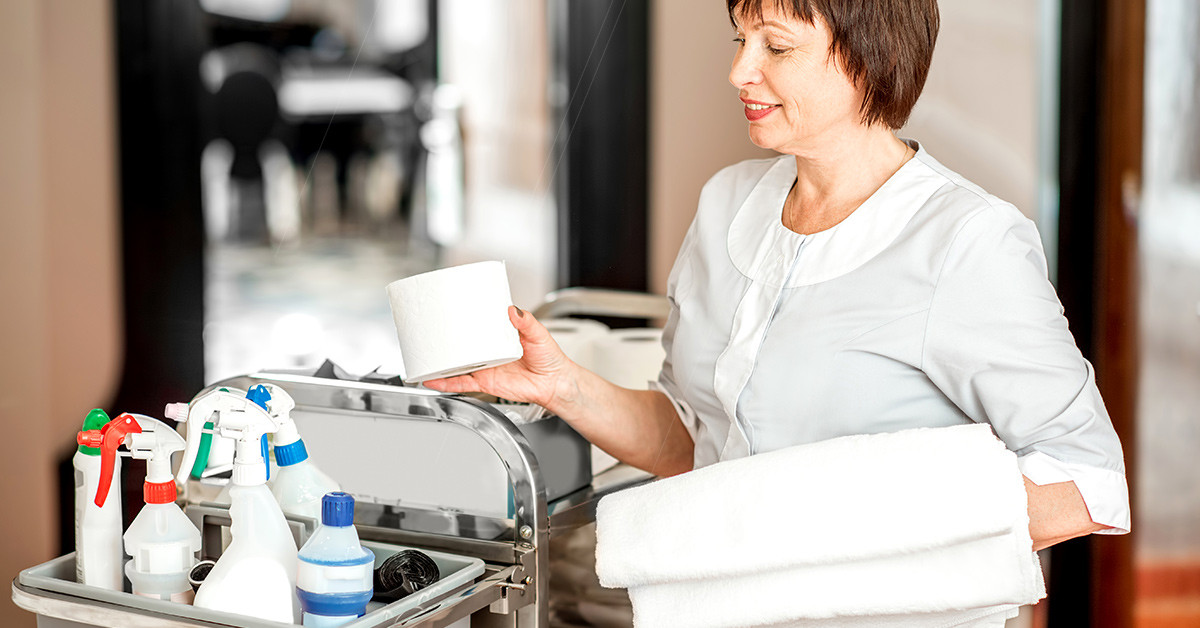
Lack of proper cleaning tools, such as carts or dispensers, and using the wrong cleaning agents reduces efficiency and increases operating costs.
6. No cleaning procedures or training
Without standardized procedures and proper staff training, cleaning becomes inefficient and costly.
7. Ignoring modern technology
Not using modern solutions like dosing systems or automatic cleaning machines limits the potential for optimizing cleaning processes.
8. No cooperation with cleaning experts
Failing to consult hygiene specialists during hotel design and opening stages can lead to costly operational decisions.


