
 English
 Polski
 Deutsch
 Nederlands


Homemade Fabric Starch – What It Is, How to Make It, and When to Use It
Homemade Starch – How It Works, How to Make It, and When to Use It
Starch is one of those traditional fabric care solutions that, despite modern alternatives, continues to find its place in many homes. While commercial spray products are readily available, homemade natural starch remains a reliable method for smoothing, stiffening, and protecting fabrics. In this article, you'll learn how to make it step by step and discover its main benefits and drawbacks.
What Is Fabric Starch and Why Should You Use It?
Fabric starch is a water-based solution made from plant-derived starch – usually potato, corn, or rice – that’s long been used to give fabrics a crisp, neat appearance. Your grandmother likely used it to starch bed linens, curtains, and tablecloths. Today, it’s making a comeback among fans of natural, eco-friendly fabric care.
How to Make Homemade Fabric Starch – Step-by-Step Recipe
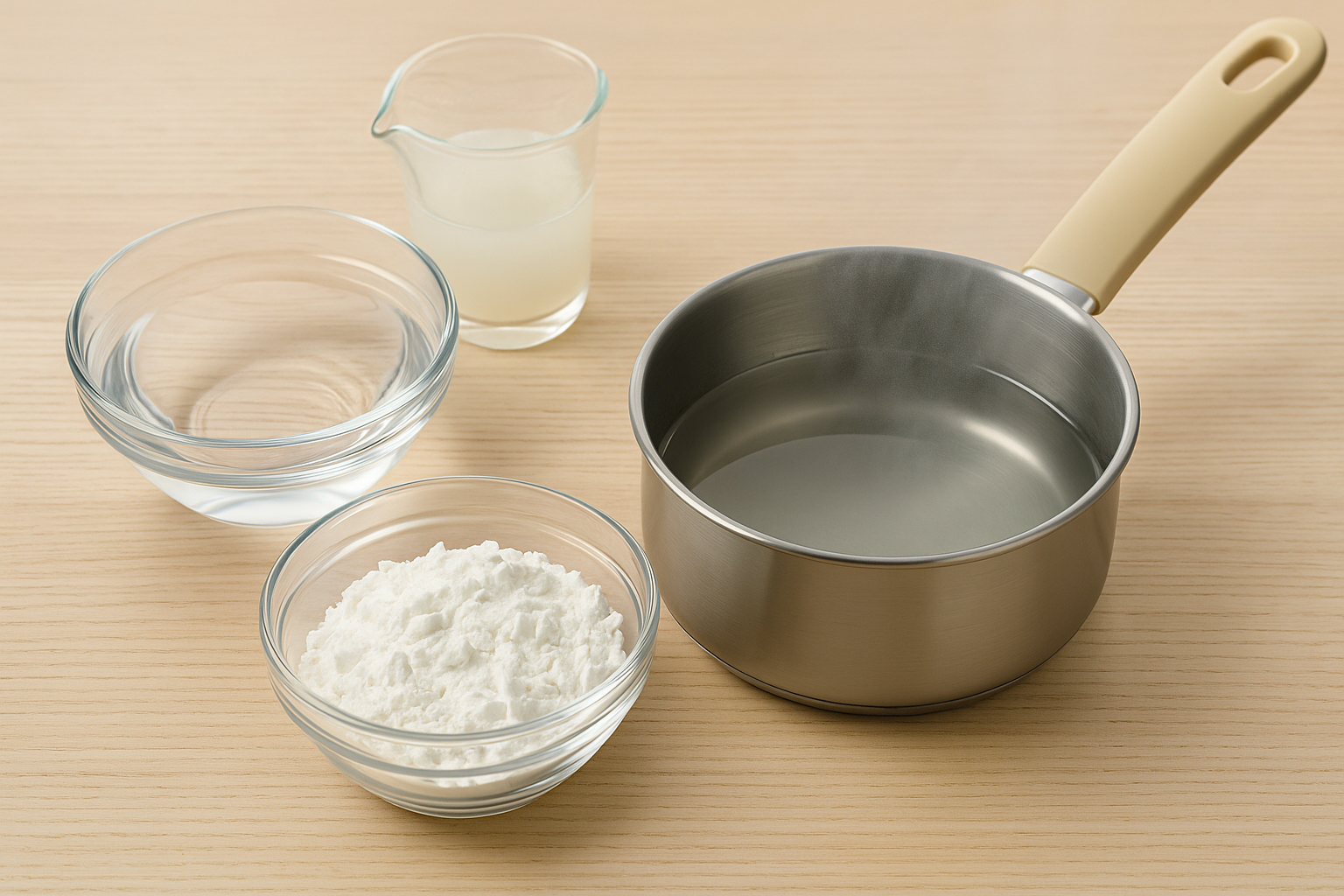
Homemade starch is quick, inexpensive, and effective. Here's a simple recipe to prepare it in just a few minutes:
Ingredients:
¼ cup cold water
¼ cup potato or cornstarch
4 cups hot water
Instructions:
Mix the starch with cold water to create a smooth paste.
Slowly pour the paste into a pot with hot water, stirring constantly.
Cook over medium heat for 2–3 minutes until the mixture thickens and becomes translucent.
Let it cool to a warm temperature before use (never apply while hot).
Store any leftover starch in the fridge for a few days; stir before reuse.
Benefits of Using Fabric Starch
✅ Adds structure and crispness – makes garments and textiles more resistant to wrinkles and helps them hold their shape.
✅ Easier ironing – starch smooths out fabric fibers, making ironing faster and more effective.
✅ Revives fabric colors – helps restore brightness and enhance vibrancy, especially in frequently washed items.
✅ Protects against stains – forms a thin, invisible layer that repels dirt and liquids.
✅ Reduces static – especially useful in dry climates where fabrics often cling.
Drawbacks of Fabric Starch – What to Watch Out For
⚠️ Reduced breathability – starch can create a barrier that limits air circulation.
⚠️ Less moisture absorption – may prevent sweat from being absorbed, leading to discomfort.
⚠️ Weakened fibers – frequent or excessive use may cause fabric to become brittle and wear out faster.
⚠️ Difficult to wash out – may require multiple washes or strong detergents.
⚠️ Possible skin irritation – especially for sensitive skin or when starch is applied in large amounts.
When Is It Worth Using Starch?
Bed linens – to keep them looking fresh and neat longer,
Tablecloths and napkins – for a clean, formal finish,
Shirts and blouses – for sharp collars and cuffs,
Curtains – to maintain structure and drape.
Summary
Homemade starch is a natural and effective way to care for your garments and home textiles. While it’s not for every situation, it’s an ideal solution for those who appreciate traditional methods and want their clothes to look their best. Just remember to use it wisely and adapt it to your fabric type and needs – to enhance, not harm, your favorite pieces.
