
 English
 Polski
 Deutsch
 Nederlands


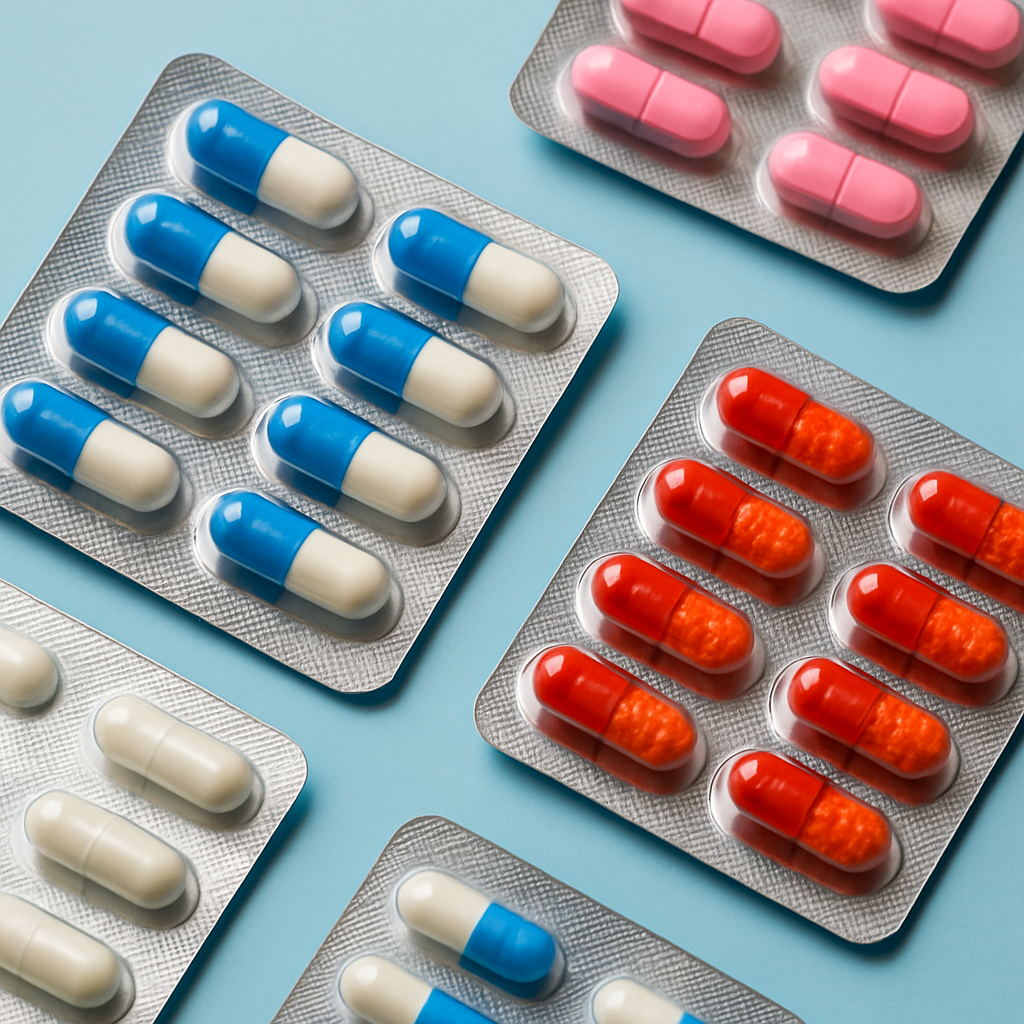
Europe Says STOP to Antibiotic Resistance – What You Should Know About European Antibiotic Awareness Day
What Is European Antibiotic Awareness Day?
European Antibiotic Awareness Day (EAAD) is observed every year on November 18, launched in 2008 as a joint initiative of the European Commission and the European Centre for Disease Prevention and Control (ECDC). At the same time, the World Antibiotic Awareness Week (18–24 November) takes place under the coordination of the World Health Organization (WHO) to further promote responsible antibiotic use globally.
The core mission of EAAD and WAAW is to raise awareness among the public, medical professionals, and policymakers about the growing global threat of antimicrobial resistance (AMR) and to encourage responsible treatment practices.
Why Is Antibiotic Resistance a Problem We Can’t Ignore?
The overuse and misuse of antibiotics lead to increased bacterial resistance. This not only makes it harder to treat common infections — like pneumonia or hospital-acquired infections — but also increases mortality rates and hospital stays.
With no new antibiotic mechanisms being developed fast enough, we risk going back to a pre-antibiotic era, when even minor infections could be life-threatening.
How Is the Campaign Run? Actions in Poland
In Poland, the EAAD/WAAW campaign is coordinated by the National Medicines Institute as part of the National Antibiotic Protection Program (2021–2025), funded by the Ministry of Health. As part of the campaign, organizers deliver:
Conferences and online expert panels
Distribution of educational materials: posters, leaflets, infographics
Outreach in schools and social media using the slogan: “Educate. Support. Act Now.”
At the European level, ECDC provides ready-to-use tools (infographics, videos, brochures) that help local institutions run their own effective awareness campaigns.
What Can Each of Us Do?
Use antibiotics only with a prescription and strictly follow medical instructions
Do not demand antibiotics for viral infections (e.g. colds, flu)
Always complete the full course of treatment, even if symptoms disappear earlier
Avoid self-medication – never share antibiotics with others
Promote good hygiene habits: proper handwashing, food safety, and staying up to date with vaccinations
These simple actions help protect public health and slow the rise of global antibiotic resistance.


