
 English
 Polski
 Deutsch
 Nederlands


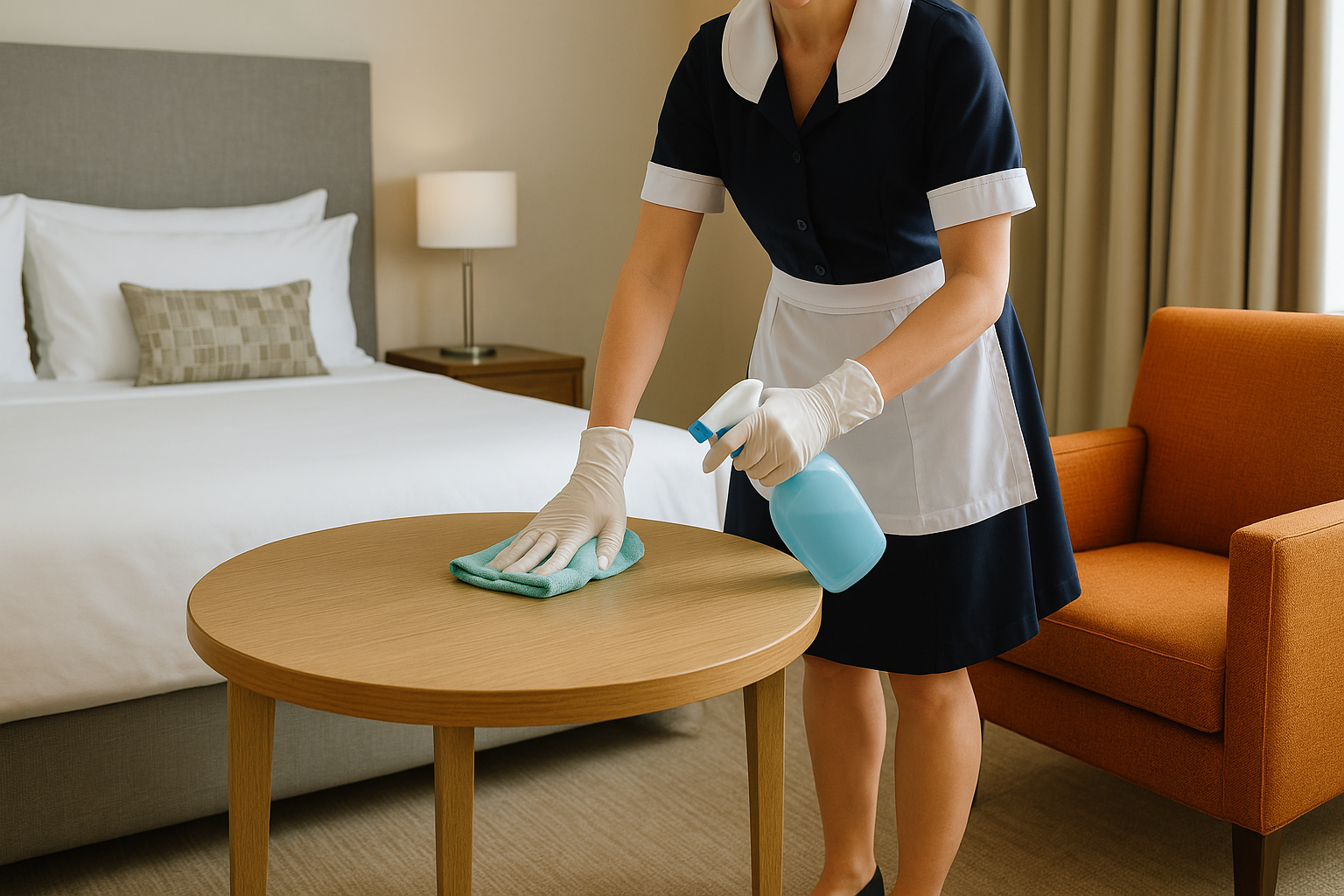
How Hotel Design Mistakes Can Lead to Absurd Cleaning Costs – Insights from pranie.pl
How Hotel Design Mistakes Can Lead to Absurd Cleaning Costs – Insights from pranie.pl
When opening a new hotel, many owners focus on unique and memorable design ideas. However, it's just as important to consider the practical aspects of managing such a space—especially the costs of maintaining cleanliness. Surprisingly, decisions made during the design and planning stages can have a massive impact on operational cleaning expenses. Together with pranie.pl, we explore the practices that can lead to unnecessarily high costs—and how to avoid them.
Designing Without Cleaning in Mind
Hotel interiors often prioritize aesthetics over functionality. Too many nooks, crevices, and a variety of surface materials can significantly increase cleaning time. Moreover, complex surfaces may require specialized cleaning products, further driving up costs. As highlighted by the Voigt blog, choosing a design that undermines cleaning efficiency is a key factor behind inflated maintenance costs.
High-Maintenance Materials
Some materials, while visually appealing, are extremely difficult to maintain. For example, black marble in bathrooms is a delicate material that requires specialized products to clean properly. Floor combinations such as wood, stone, and textiles complicate cleaning routines and extend the time required.
Colors That Highlight Dirt
Color choices matter. Light-colored carpets and surfaces that easily show stains need more frequent and intensive cleaning. These design decisions undeniably contribute to higher operational costs in cleanliness.
Ignoring Practicality in Daily Use
Many hotels focus heavily on aesthetics and forget that daily wear and tear requires materials that are durable and easy to clean. For instance, placing textile carpets near entrances means they’ll soil quickly due to heavy foot traffic.
Lack of Utility Rooms
Reducing the number of utility rooms makes it harder and more time-consuming for staff to access cleaning supplies and equipment. As noted by the Voigt blog, this leads to organizational inefficiencies and increased labor time—translating into higher cleaning costs.
Conclusion
It may seem that design decisions only impact the visual appeal of a hotel, but as experts have shown, they carry serious financial and operational consequences. A thoughtful approach that prioritizes ease of cleaning can reduce long-term costs and improve staff efficiency.
The team at pranie.pl emphasizes the importance of choosing practical and easy-to-maintain solutions to ensure both aesthetics and top-level cleanliness.
When investing in a hotel, it’s essential to remember that design and material choices will affect operating expenses for years to come. The guidance of experienced professionals can be invaluable in optimizing these costs.


