
 English
 Polski
 Deutsch
 Nederlands


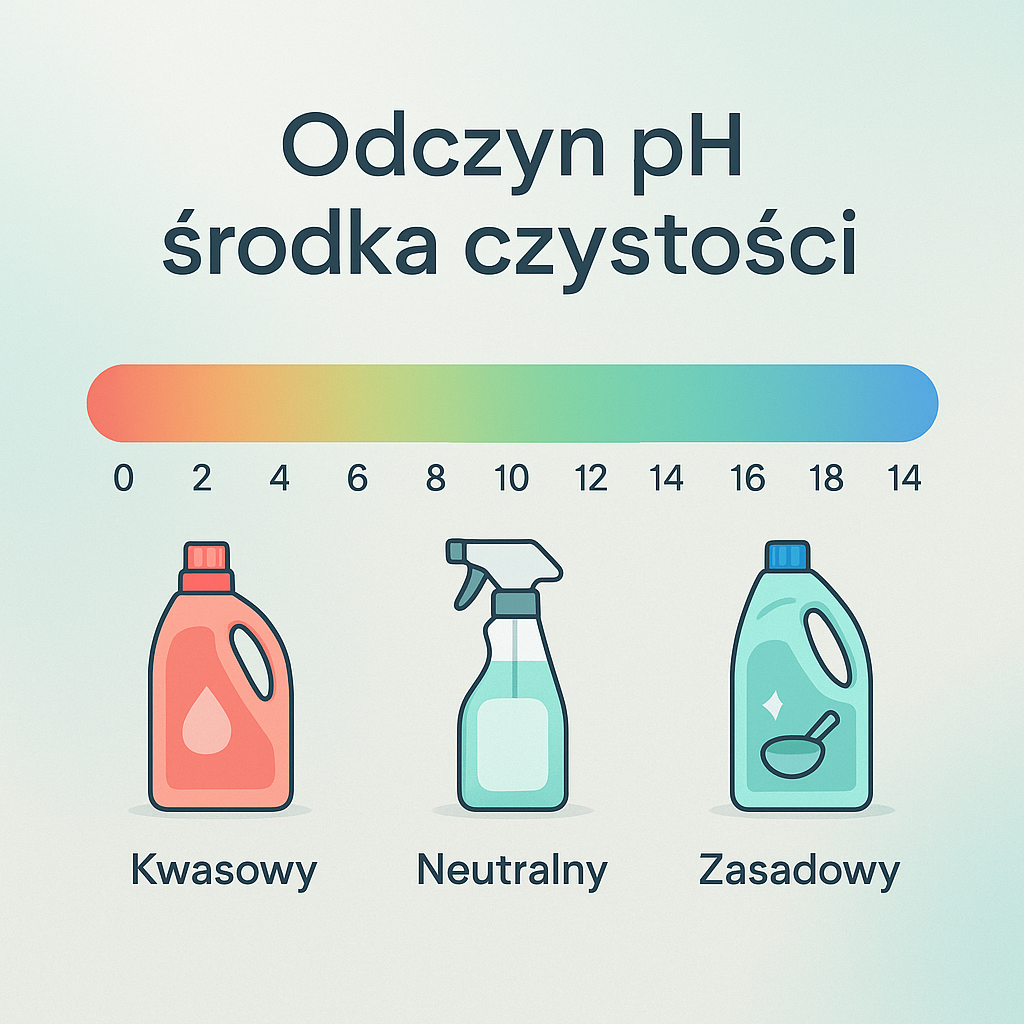
The pH Level of Cleaning Products – Why It Matters and How to Use It Right
What is pH and why is it important?
The pH scale measures how acidic or alkaline a substance is, on a scale from 0 to 14. In cleaning products, the pH value determines their effectiveness, their target dirt type, and their safety for different surfaces.
pH 0–6: Acidic – great for removing lime scale, rust, and mineral deposits
pH 7: Neutral – gentle, ideal for everyday cleaning
pH 8–14: Alkaline – best for grease, oils, and organic dirt
Where to find the pH value on a product?
You’ll usually find the pH level on the product label, often shown as a graphic scale. On VOIGT brand bottles, for example, the pH scale is displayed at the bottom of the front label or on the back label for spray bottles.
Choosing cleaning agents based on pH
Acidic products (pH 1–5):
Ideal for bathrooms and toilets. Remove limescale, soap scum, and rust.Neutral products (pH 6–8):
Safe for delicate surfaces like wood, glass, ceramics.Alkaline products (pH 9–14):
Effective in kitchens and food service areas – remove grease and organic buildup.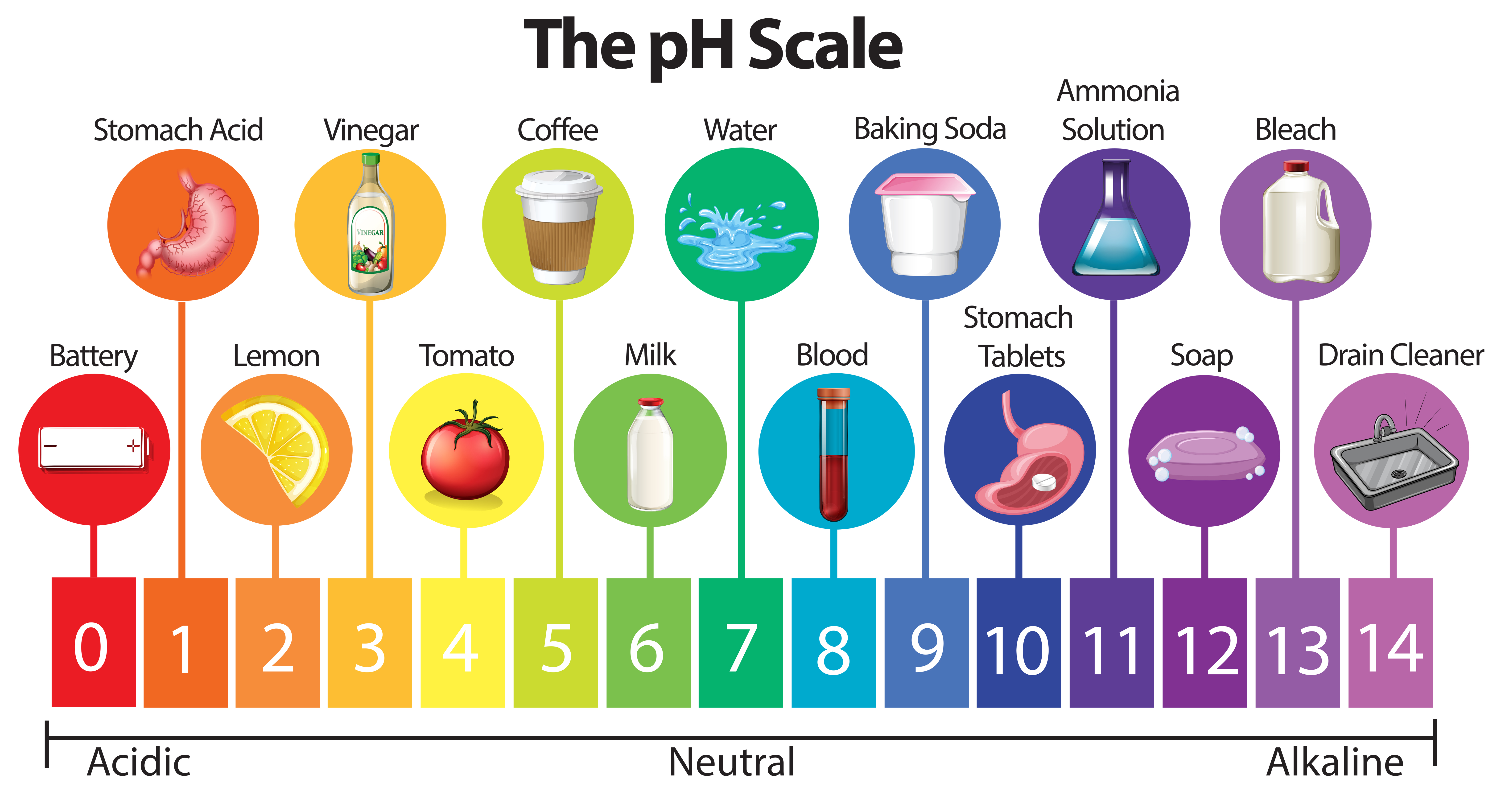
Example: PIKASAT vs. BRUDPUR
PIKASAT has a low pH (1–2) and works best in removing scale and calcium in the bathroom, but it won’t clean greasy kitchen surfaces well. For that, BRUDPUR (alkaline pH) is a better option.
Why pH matters
Choosing a cleaning agent with the right pH ensures:
Effectiveness – targeted action on specific types of dirt
Safety – no damage to cleaned surfaces
Efficiency – saving time, effort, and product use
Understanding pH is a simple step that makes cleaning smarter and more sustainable.


