
 English
 Polski
 Deutsch
 Nederlands


Safe Cleaning Rules – How to Handle Chemical Agents Responsibly
Safe Cleaning Practices: How to Use Chemical Agents Without Risk
Cleaning may seem routine, but it can carry real risks—especially when it involves strong chemical agents, sharp tools, or work in industrial environments. Whether at home or in the workplace, following safety guidelines is essential to minimize the risk of injuries, chemical exposure, or surface damage. Below is a comprehensive guide to cleaning effectively and safely.
1. Start with Risk Assessment and Product Familiarization
Before beginning any cleaning task, review the safety data sheet (SDS) for each cleaning agent. It will inform you about the product’s composition, toxicity, pH level, and safe usage instructions. For example, high-pH degreasers require chemical-resistant gloves. Acid-based products should never come into contact with metal, as this could trigger hazardous chemical reactions.
2. Personal Protective Equipment (PPE) – What You Need
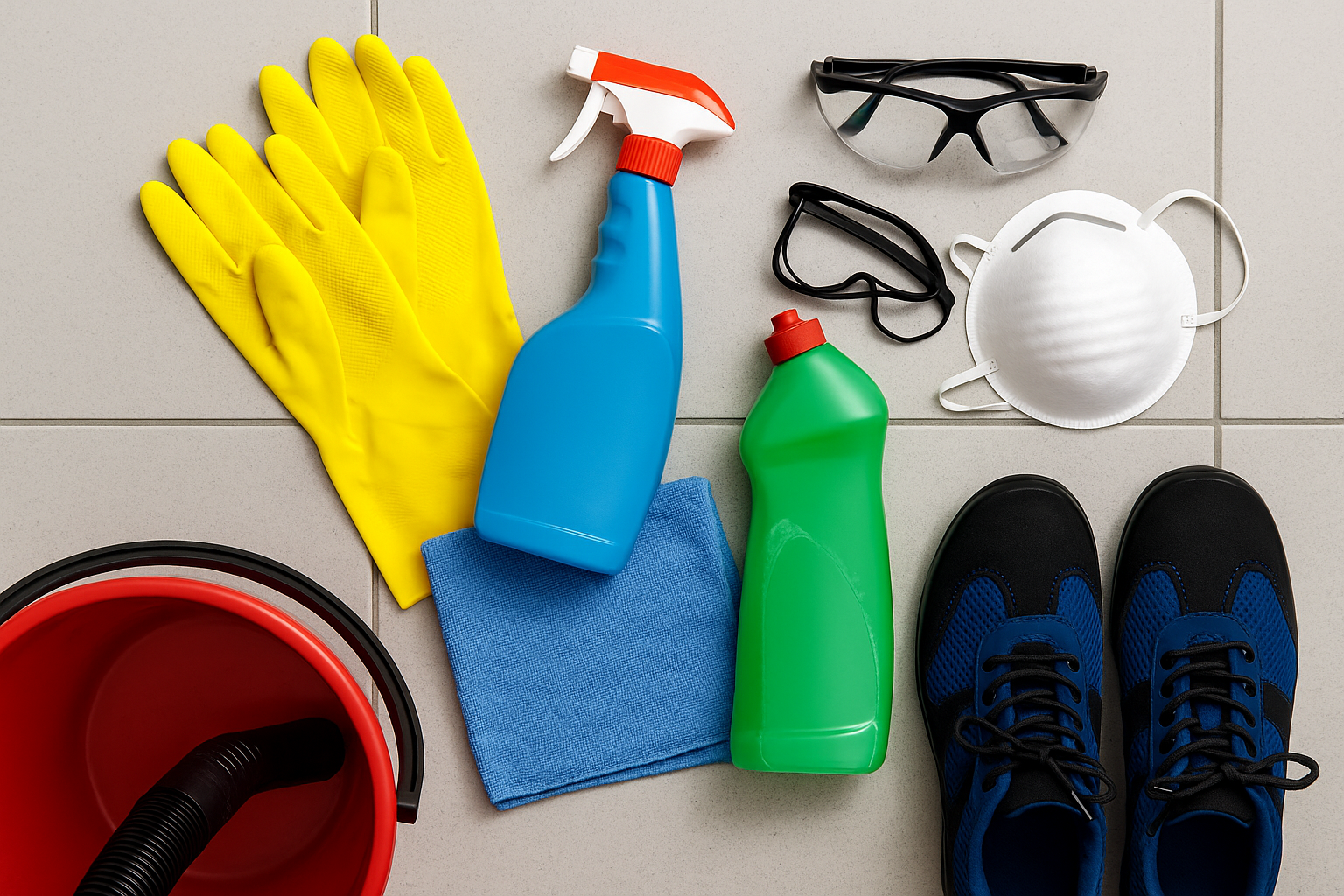
Protective masks, safety goggles, waterproof aprons, and non-slip shoes are must-haves when dealing with chemicals or wet environments. Wet surfaces should also be clearly marked or covered with anti-slip mats to prevent slips and falls.
3. Choose the Right Cleaning Agents for the Surface Type
Different surfaces require specific cleaning products. Use only neutral pH solutions for wood surfaces—avoid alcohol-based cleaners that may cause discoloration or damage to finishes. For greasy stains, such as in commercial kitchens, opt for strong degreasers—but ensure proper ventilation and skin protection.
4. Bathroom Cleaning – Safety First
Acidic cleaners are effective against limescale and mold but can corrode metal and damage grout. Use them only on suitable surfaces like ceramic tiles and never mix them with other agents unless verified safe by the manufacturer.
5. Disinfection – Use Proven Biocidal Products
In high-hygiene environments like medical facilities, use disinfectants containing alcohol, chlorine, or quaternary ammonium compounds. Always follow the manufacturer’s contact time instructions to ensure proper microbial elimination.
6. All-Purpose Cleaners – Convenience with Caution
Multipurpose cleaners are convenient but not always compatible with every material. Natural stone, acrylic glass, and delicate finishes can be damaged. Always read the label and test on a small, inconspicuous area first.
7. Safe Waste Segregation and Disposal
Proper waste management is a critical part of safe cleaning. Use durable, sealed bags—especially for sharp waste like broken glass, which should be wrapped in cardboard or heavy-duty film. Empty and label all chemical containers before disposal, and bring hazardous items (batteries, paints, solvents) to appropriate collection points.
8. Protective Clothing for Waste Handling
Wear puncture-resistant gloves and non-slip footwear when taking out trash, especially in poor weather or slippery environments. This reduces the risk of injury from sharp objects and helps maintain hygiene.


