
 English
 Polski
 Deutsch
 Nederlands


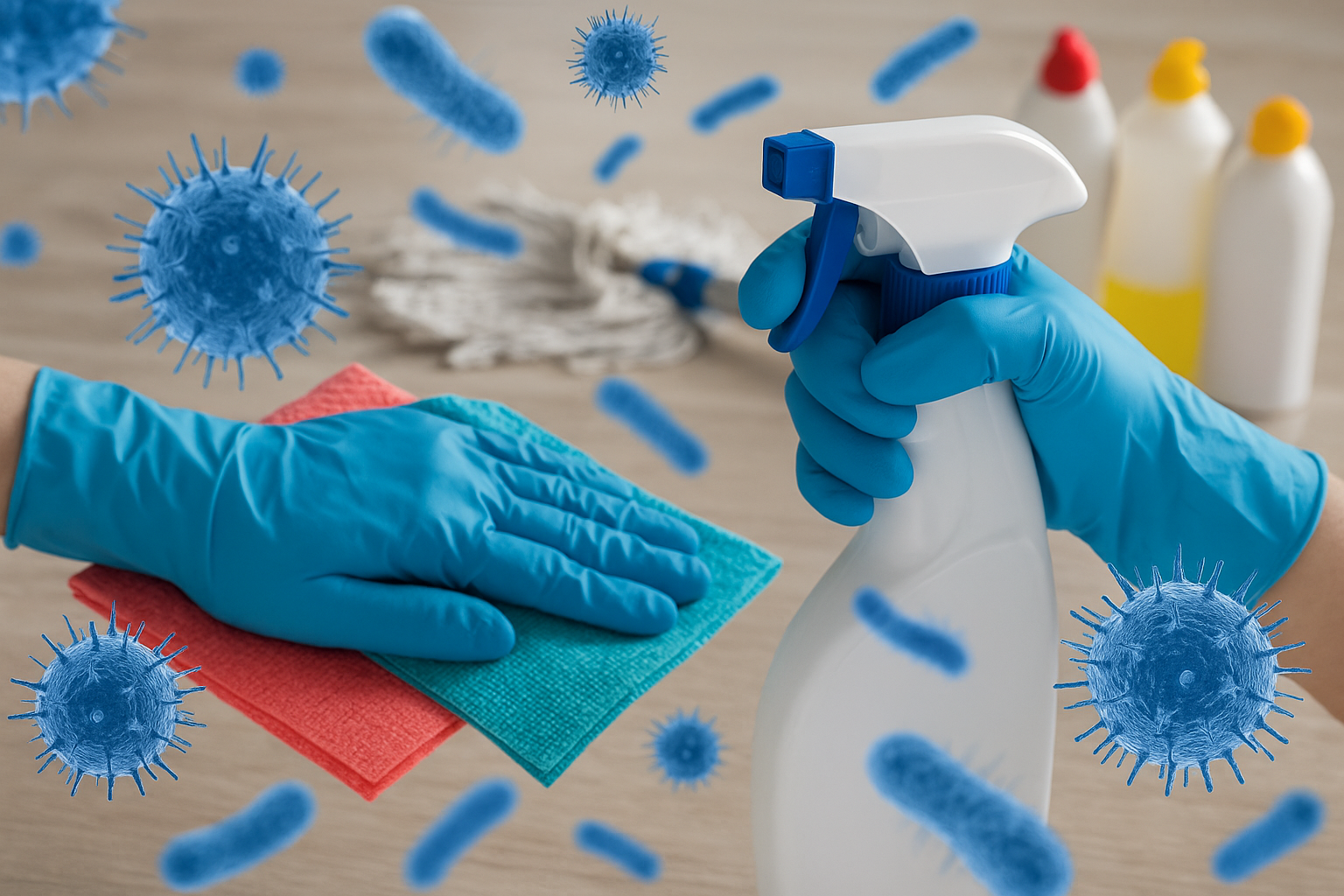
The Cleaning Paradox – Are You Spreading Bacteria Instead of Eliminating Them?
The Cleaning Paradox – Are You Spreading Bacteria Instead of Eliminating Them?
Have you ever wondered if your daily cleaning efforts are truly making your home or workplace cleaner, or if they may actually be contributing to the spread of bacteria? This paradox of cleaning, widely discussed by hygiene experts, has become a growing concern backed by both research and real-world experience. Studies reveal that improper cleaning techniques can inadvertently help microorganisms spread rather than eliminate dirt and germs.
Why Cleaning Can Spread Bacteria
Many people use traditional tools like cloths and mops, which, if not properly cleaned and disinfected after each use, become breeding grounds for bacteria. Research shows that the damp environment of kitchen cloths, for example, encourages bacterial growth. Reusing the same tools across different surfaces can easily transfer microorganisms from one area to another.
How to Break the Chain of Cross-Contamination
To minimize the risk of bacterial spread, it's essential to follow hygiene protocols and regularly train cleaning staff. Experts recommend several simple but effective practices:
Color-coded cloths and mops: Assigning different colors to specific zones (e.g., blue for kitchens, red for bathrooms) helps prevent cross-contamination.
Dual-bucket system: Separating clean and dirty water when mopping ensures you’re not reapplying dirt to freshly cleaned surfaces.
Regular disinfection of tools: Cleaning cloths, mops, and equipment should be routinely disinfected to eliminate microbial build-up.
Hand hygiene: Washing and sanitizing hands before and after cleaning is essential to avoid transferring microorganisms to or from surfaces.
Are There Safer and More Effective Cleaning Methods?
Thankfully, cleaning technology continues to evolve. Professional-grade disinfectants with proven antimicrobial effectiveness, as well as microfiber tools that can be laundered and sanitized after use, are essential. These modern products help maintain high hygiene standards while reducing the risk of bacterial spread.
Conclusion
The cleaning paradox arises when improper practices actually spread bacteria instead of removing them. The key to overcoming this issue lies in adhering to hygiene protocols, continuous staff education, and investing in quality cleaning equipment and products. By doing so, cleaning becomes a powerful tool in protecting our health—not a hidden hazard.
Remember, cleanliness is not just about appearance—it’s about creating a safer, healthier environment for everyone.


